

 Hotel
8 pieces
Hotel
8 pieces
COLLECTION · COPENHAGEN · 2026
Design Hotels in Copenhagen
A design hotel is a property where the interior is treated as an editorial statement — identifiable chairs, lamps and tables from working designers, sourced from named manufacturers, framed by bespoke joinery and considered art. It's a hotel you can read like a magazine, room by room. Copenhagen, with the deepest design pedigree in Northern Europe, has become the city where the format is most reliably done well. The hotels below are catalogued piece by piece — every Wegner chair, Louis Poulsen pendant and Kvadrat textile in the building.
35
HOTELS
518
PIECES CATALOGUED
What counts as a design hotel?
The collection
Hotel
8 pieces
 Hotel
16 pieces
Hotel
16 pieces
 Hotel
9 pieces
Hotel
9 pieces
 Hotel
7 pieces
Hotel
7 pieces
 Hotel
20 pieces
Hotel
20 pieces
 Hotel
8 pieces
Hotel
8 pieces
 Hotel
8 pieces
Hotel
8 pieces
 Hotel
1 pieces
Hotel
1 pieces
 Hotel
12 pieces
Hotel
12 pieces
 Hotel
4 pieces
Hotel
4 pieces
 Hotel
50 pieces
Hotel
50 pieces
 Hotel
7 pieces
Hotel
7 pieces
 Hotel
6 pieces
Hotel
6 pieces
 Hotel
19 pieces
Hotel
19 pieces
 Hotel
7 pieces
Hotel
7 pieces
 Hotel
11 pieces
Hotel
11 pieces
 Hotel
7 pieces
Hotel
7 pieces
 Hotel
11 pieces
Hotel
11 pieces
 Hotel
6 pieces
Hotel
6 pieces
 Hotel
5 pieces
Hotel
5 pieces
 Hotel
17 pieces
Hotel
17 pieces
 Hotel
4 pieces
Hotel
4 pieces
 Hotel
6 pieces
Hotel
6 pieces
 Hotel
7 pieces
Hotel
7 pieces
 Hotel
11 pieces
Hotel
11 pieces
 Hotel
63 pieces
Hotel
63 pieces
Hotel
2 pieces
 Hotel
23 pieces
Hotel
23 pieces
 Hotel
15 pieces
Hotel
15 pieces
 Hotel
22 pieces
Hotel
22 pieces
 Hotel
5 pieces
Hotel
5 pieces
 Hotel
11 pieces
Hotel
11 pieces
 Hotel
14 pieces
Hotel
14 pieces
 Hotel
74 pieces
Hotel
74 pieces
 Hotel
22 pieces
Hotel
22 pieces
What to look for inside a Copenhagen design hotel
Where to sit
Lobbies with the most identifiable seating — HAY Palissade outdoor lines at Zoku, a single Wegner Wishbone at Villa, occasional Børge Mogensen J39s at SP34. The way the chair is placed (alone, in pairs, against a wall) tells you whether the studio understood the building or just shopped the catalogue.
Bars worth photographing
The Balthazar at d'Angleterre for crystal; Nobis's bar for low Louis Poulsen pendants and oak banquettes; Bar Vin at SP34 for Wegner-and-candle, no music. Quiet rooms with serious lighting design and the kind of bar stool you keep an eye on.
Receptions that earn the wait
Sanders is a single brass counter; d'Angleterre is a marble desk you could perform surgery on; Herman K is blackened steel and a single Vipp pendant. A reception either reads the rest of the building correctly or it doesn't — these three do.
Read more about design venues in Copenhagen
Stories from the Reevela journal
Exploring Brøchner Hotels: A 20-Minute Design Tour in Copenhagen
Copenhagen is home to some of the world’s most inspiring design hotels, and Brøchner Hotels is a standout name in this space. Known for blending historic charm with contemporary design, Brøchner’s ...
Read full article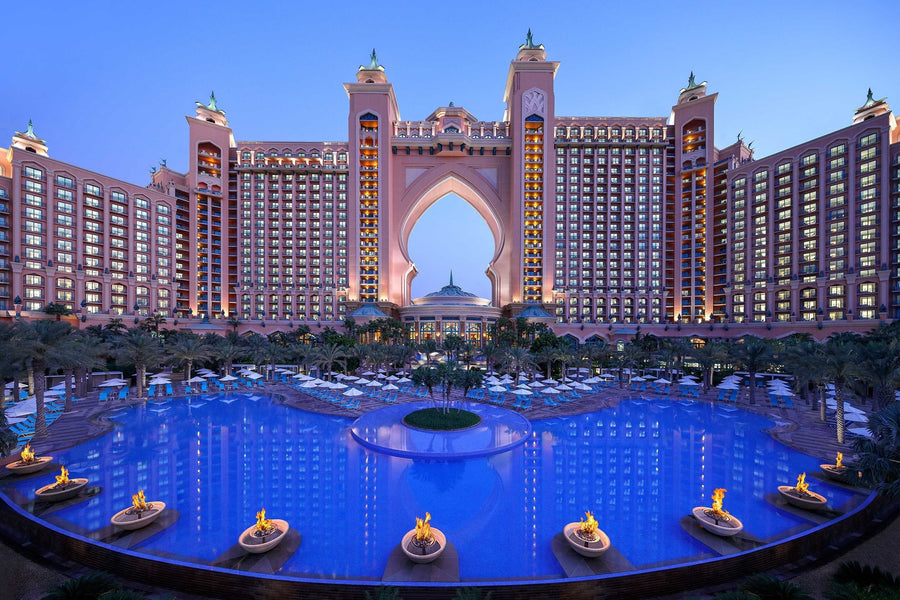
Exploring Iconic Design Venues Around the World: A Journey Through Style and Innovation
Exploring Iconic Design Venues Around the World For design enthusiasts, traveling is about more than just sightseeing—it's about experiencing spaces where creativity and innovation shine. Across th...
Read full article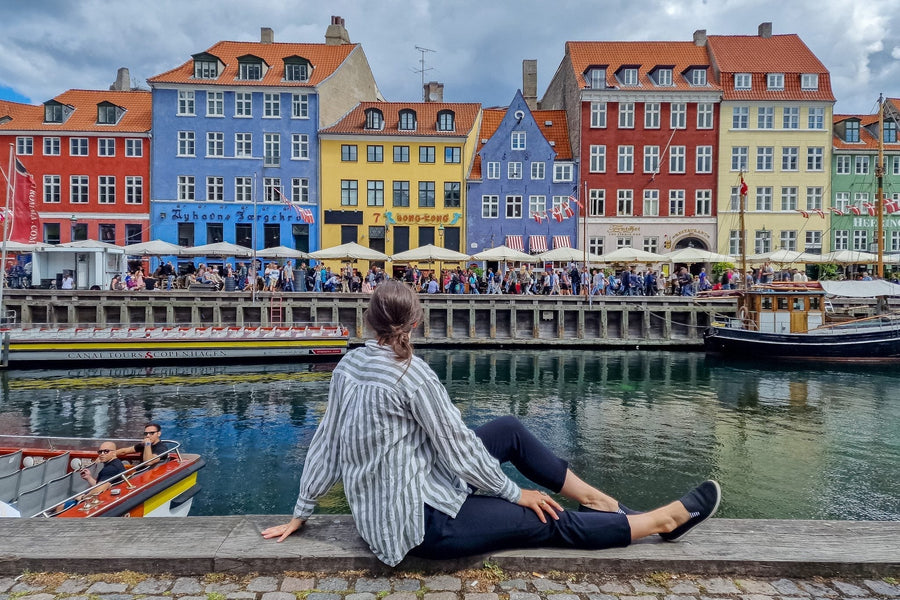
Exploring Hospitality Design in Copenhagen: A 30 minute Tour of Iconic Venues Featuring Reevela’s Curated Design Brands
Copenhagen’s Top Design Hotels: Where Style and Comfort Come Together Copenhagen is known for its blend of modern design and classic Scandinavian style. Everywhere you go, you’ll find beautiful int...
Read full articleFrequently asked questions
What is a design hotel?
A design hotel is a boutique property where the interior, furniture, lighting and material palette are treated as an editorial statement — typically by a named designer or architecture studio. Each room is curated rather than catalogued: identifiable chairs, lamps and tables from working designers, often produced by recognised manufacturers (Carl Hansen, Fritz Hansen, FLOS, Louis Poulsen, HAY, Vipp, &Tradition, Muuto, GUBI), framed by bespoke joinery and considered art.
What makes Copenhagen design hotels special?
Copenhagen's design hotels lean heavily on the city's mid-century Danish design legacy — Wegner, Mogensen, Jacobsen, Henningsen, Panton — alongside a current generation of studios like Norm Architects, GamFratesi and Space Copenhagen. Stays often double as showrooms: Carl Hansen wishbones in the lobby, FLOS or Louis Poulsen lighting overhead, Kvadrat textiles on the beds. Because Copenhagen is small and walkable, the same designers' work also shows up at the restaurants and bars across the street — the hotel sits inside a wider city-scale design environment
Which neighbourhood is best for a design hotel stay in Copenhagen?
For grand-old-Copenhagen and walkable harbour views, stay in Indre By around Kongens Nytorv (Hotel d'Angleterre, Hotel Sanders, Hotel Herman K). For a more current, gallery-and-coffee crowd, Vesterbro and the Meatpacking District (Coco Hotel, Zoku, Nobis) deliver. The Latin Quarter (Skt. Petri, SP34) sits between the two — quieter, with small bars and cinema rooms. Islands Brygge is the apartment-style harbour option, ten minutes from the centre by Metro.
What is the most iconic design hotel in Copenhagen?
Hotel d'Angleterre is the city's grande dame — 1755 façade, marble lobby, the Balthazar Champagne bar. Hotel Skt. Petri is the more design-press answer, a mid-century landmark with Verner Panton chairs and Per Arnoldi's colour direction throughout. For pure boutique-design pedigree, Hotel Sanders is the editorial favourite. For current Danish design specifically, Villa Copenhagen and Hotel Herman K cover the most ground.
Are Copenhagen design hotels expensive?
Prices range widely. STAY Copenhagen and Zoku start around 1,190–1,290 DKK per night for apartment-style stays. Mid-range design hotels (Coco, SP34, Skt. Petri) sit at 1,400–1,900 DKK. The grand and heritage names — d'Angleterre, Sanders, Herman K — climb to 2,200–4,200 DKK per night in high season. Most include breakfast; few include parking, which is rarely needed in Copenhagen.
When is the best time to visit Copenhagen design hotels?
May–June and September are the design-press months — 3 Days of Design runs in early June and turns most lobbies into temporary showrooms; Northmodern and architecture-week events cluster in September. Rates rise in those weeks. Quieter, cheaper stays land in February–March and late October. December has the Christmas markets and rooftop bar season at Villa Copenhagen.
Can I buy the furniture I see in these hotels?
Yes — most of the named pieces are still in production. Reevela catalogues each chair, lamp, table and textile inside the design hotels listed here, links them to the working manufacturers (Carl Hansen, Fritz Hansen, FLOS, Louis Poulsen, HAY, Vipp, &Tradition, Muuto, GUBI, and others), and where possible offers the same products through the shop. Click any hotel above to open its catalogue.
What's the difference between a design hotel and a boutique hotel?
The terms overlap. A boutique hotel is small (fewer than ~100 rooms), independently operated, and feels distinct. A design hotel is the subset of boutique hotels where the interior is the work of a named studio and the furniture, lighting and material palette are the point of the visit. Every design hotel is boutique; not every boutique hotel is a design hotel.
Run a venue in Copenhagen?
Reevela catalogues the pieces inside design-led venues so guests can recognise them. Free to list and have your venue on this page.
all 35 hotels